
Pennsylvania has made significant progress in maintaining our transportation infrastructure, but this progress is at risk due to falling gas tax revenues, stagnant state funding, and rising emergency repair needs. We need to find a proper, stable, and permanent funding solution for transportation. If this issue is not addressed, we not only could lose the positive momentum and gains we've made to our crumbling infrastructure, but we will seriously damage our ability to keep up with necessary upgrades and improvements in the future.
The motor license fund was created to help fund upgrades and repairs to Pennsylvania infrastructure—roads and bridges. A portion of the driver license fee paid by Pennsylvania drivers is placed in this fund when a person gets a new license or renews their license.
 Nearly 20% of our state’s fuel tax revenue and license and registration fees—totaling more than $650 million—is redirected away from road and bridge improvements to cover nearly three-quarters of the State Police’s annual budget. Since 2001, Pennsylvania has diverted over $10 billion from the Motor License Fund. This diversion has had serious consequences. Last year alone, the amount diverted could have been used to resurface nearly 4,000 lane miles of roads or to design, replace, and maintain almost 500 bridges for the next 25 years.
Pennsylvania is a large state with more than 13 million inhabitants. Obviously, not everyone lives in the same county or municipality. Therefore, it is important that as public dollars are spent on roads and bridges, we do so in a fair and equitable manner that allows all regions of the state to have its failing infrastructure repaired.
The state must stop diverting millions of dollars from the Motor License Fund to State Police funding.
We recognize that public safety is paramount. We also believe that a fully funded state police is in the best interest of all Pennsylvanian citizens. The state police deserve their own dedicated funding and state leaders should work to incorporate state police funding as part of the yearly budget process, not cannibalize funds set aside explicitly for the safety of our roads and bridges.
Act 89 funding shifts must be planned for well into the future.
Pennsylvania Act 89, signed into law in November 2013, was a comprehensive transportation funding bill aimed at addressing the state's deteriorating infrastructure and funding shortfalls for transportation projects. Key components of Act 89 included:
- Increased Funding: Act 89 provided a substantial increase in transportation funding by raising motor fuel taxes and various vehicle-related fees. This increase was intended to generate billions of dollars in additional revenue over several years.
- Allocation of Funds: The additional funds were designated for a range of transportation needs, including highway and bridge repairs, public transit improvements, and other infrastructure projects. The legislation aimed to modernize and maintain Pennsylvania’s aging infrastructure.
- Public Transit Support: A significant aspect of Act 89 was its commitment to support public transportation systems. It included provisions to ensure that public transit received a more stable and increased level of funding.
-
Turnpike Commission Payments: The Act initially required the Pennsylvania Turnpike Commission to make payments to the state to support public transit funding. These payments were eventually replaced by revenue from vehicle sales taxes, starting in the FY 2022-23 budget.
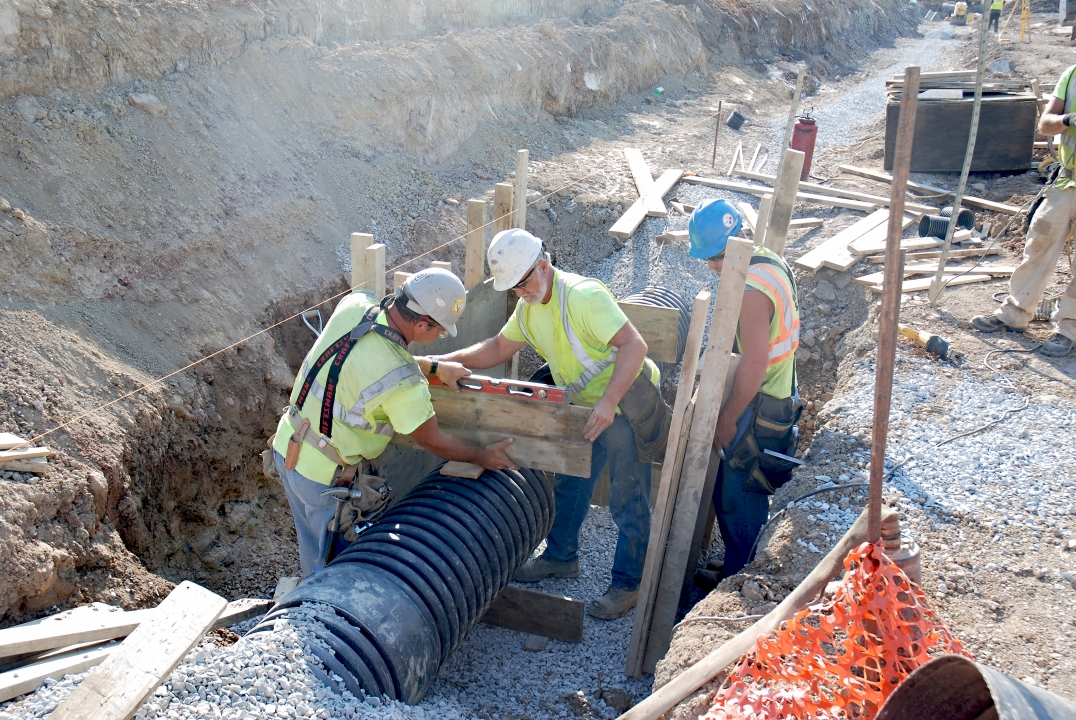
The Pennsylvania Turnpike Commission has completed its final $450 million contribution towards public transit funding. As outlined in Act 89, starting with the FY 2022-23 state budget, $450 million from vehicle sales tax revenues will now replace Turnpike payments for public transportation funding.
Despite the benefits of Act 89, transit capital investment levels in Pennsylvania remain significantly lower compared to other states and regions. Act 89 was a major step in addressing infrastructure challenges in Pennsylvania, but despite its successes, funding levels for transit and infrastructure still lags behind those of other states and regions.
Legislative support and action are necessary to ensure sustainable, bondable state funding at current levels & to empower local governments to generate revenue and invest in projects of regional importance, and to guarantee consistent operating and capital funding for all transit agencies.
Relying on federal funds alone is not the answer.
Federal funding will provide some short-term relief, but Pennsylvania will need to provide additional matching funds in order to receive anything from federal government programs. The state is set to receive approximately $4 billion more in federal core highway funds over the next five years. Additionally, a new program for repairing bridges on the National Highway System will bring in an extra $325 million each year for bridge repairs in Pennsylvania. However, to fully leverage these federal funds, it is estimated that the state will need to generate around $1 billion in new revenue over the five-year period of the Infrastructure Investment and Jobs Act as a local match.
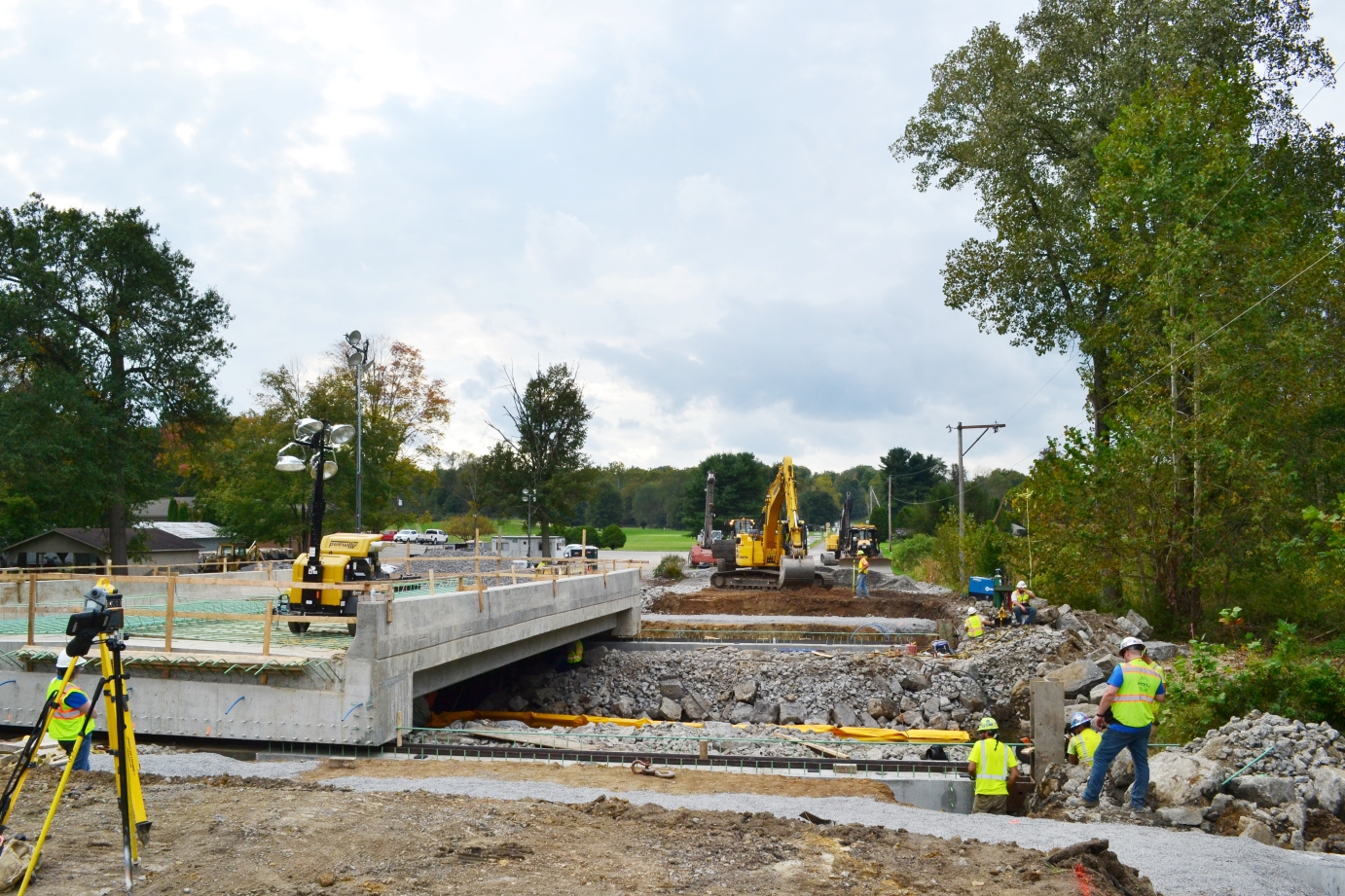 Equitable distribution of infrastructure projects throughout Pennsylvania.
Pennsylvania is a large state with more than 13 million inhabitants. Obviously, not everyone lives in the same county or municipality. Therefore, it is important that as public dollars are spent on roads and bridges, we do so in a fair and equitable manner that allows all regions of the state to have its failing infrastructure repaired.